

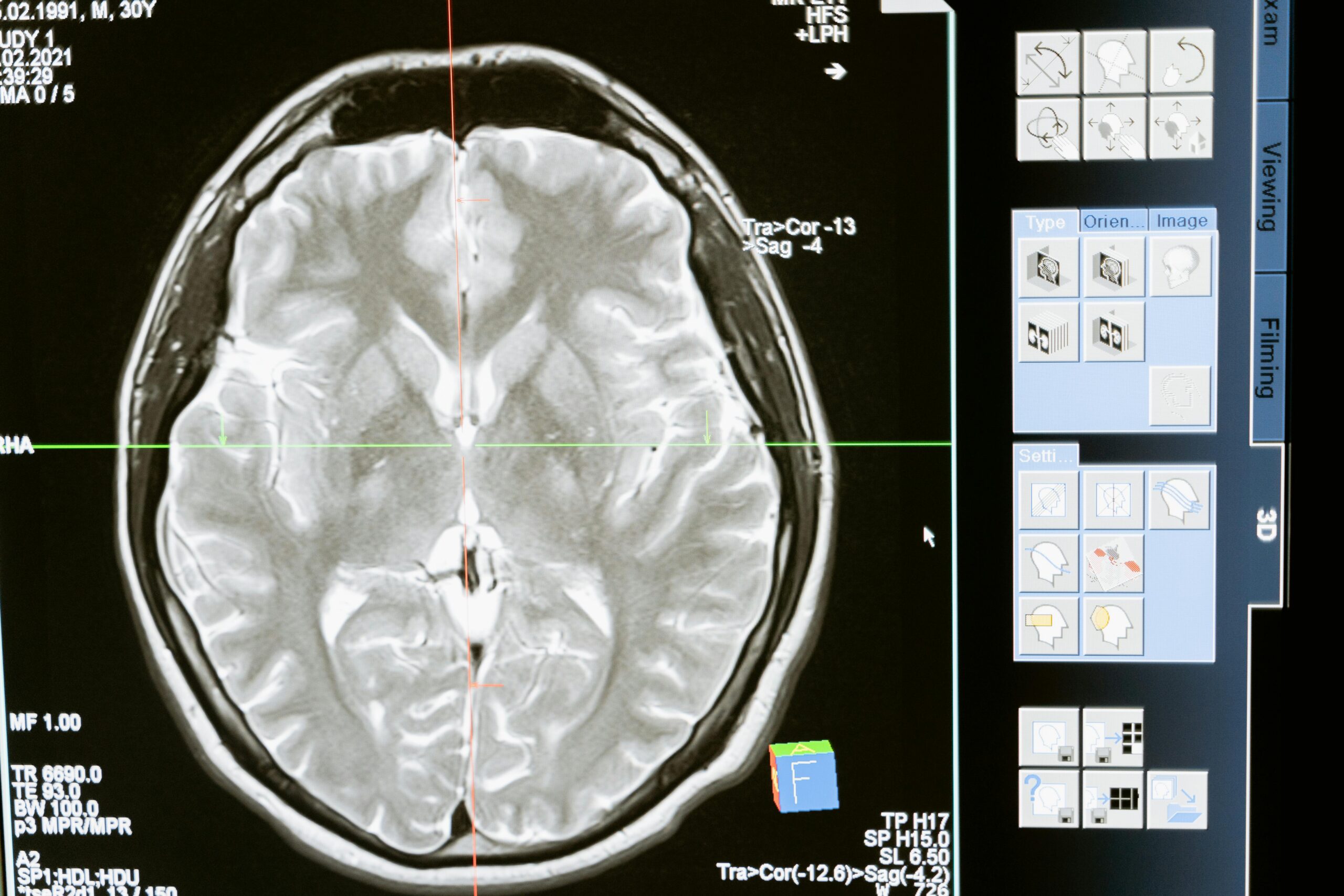
A team of researchers has unveiled an artificial brain system designed to emulate the mechanisms of human memory, marking a breakthrough at the intersection of neuroscience and artificial intelligence.
Unlike conventional AI, which stores information statically, this system replicates processes such as memory consolidation, recall, and associative linking. It uses advanced neuromorphic circuits and synthetic synapses to mimic the way neurons encode, store, and retrieve information. “We’re moving beyond programmed responses,” explains Dr. Hiro Tanaka, lead researcher on the project. “This system can form dynamic, context-dependent memories, much like the human brain.”
Potential applications are wide-ranging. In AI, memory-enabled systems could improve learning efficiency, decision-making, and adaptability. In neuroscience, the platform provides a testbed for exploring human cognition, memory disorders, and potential therapies for conditions like Alzheimer’s disease.
Challenges remain in scaling the system and integrating it with existing computational architectures. Ethical considerations, particularly around the simulation of human-like memory and cognition, are also under discussion.
Despite these hurdles, the research represents a significant step toward artificial cognitive systems that operate more like biological brains. The development of memory-mimicking artificial intelligence could transform robotics, education technology, medical diagnostics, and our understanding of the human mind itself.