

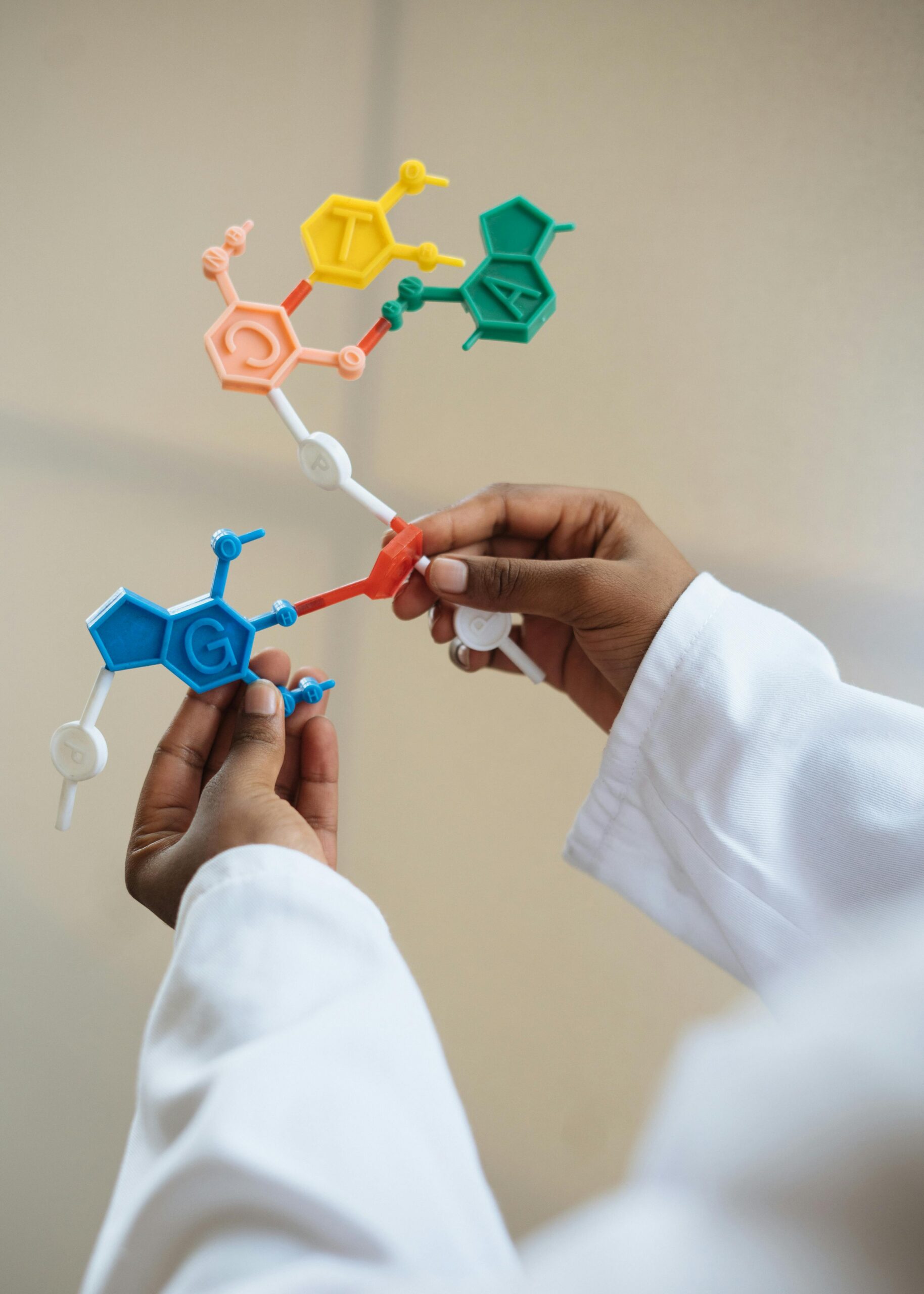
CRISPR, the revolutionary gene-editing tool, is entering a new era with the development of “CRISPR 3.0,” a system that can modify genetic sequences without introducing double-strand DNA breaks. This advancement promises safer, more precise interventions for a range of genetic disorders.
Traditional CRISPR techniques rely on cutting DNA to insert or remove sequences, a process that can inadvertently trigger unintended mutations or cellular stress. CRISPR 3.0, however, uses molecular editors to chemically alter nucleotides in place, effectively rewriting genetic instructions without breaking the DNA backbone.
Dr. Naomi Chen, a molecular biologist leading one of the pioneering projects, explains, “By avoiding cuts, we reduce the risk of off-target effects and improve the stability of edits. This could transform gene therapy, especially for conditions requiring highly precise corrections.”
Preclinical studies demonstrate successful correction of mutations responsible for blood disorders, muscular dystrophy, and certain inherited eye diseases. The method’s versatility also allows for potential applications in agriculture, synthetic biology, and disease resistance in crops.
Ethical and regulatory discussions are underway. While CRISPR 3.0 offers unprecedented precision, questions about long-term effects, accessibility, and equitable use remain central to the debate. Scientists emphasize transparency and rigorous safety testing as essential steps before human trials can expand.
“This is an exciting leap,” says Chen. “We are not just cutting and pasting DNA anymore; we are editing it with a finesse previously unimaginable. The implications for medicine and biotechnology are profound.”
As CRISPR 3.0 moves toward clinical and industrial application, it signals a transformative phase in genetic engineering, promising safer, smarter, and more precise manipulation of life’s most fundamental code.