

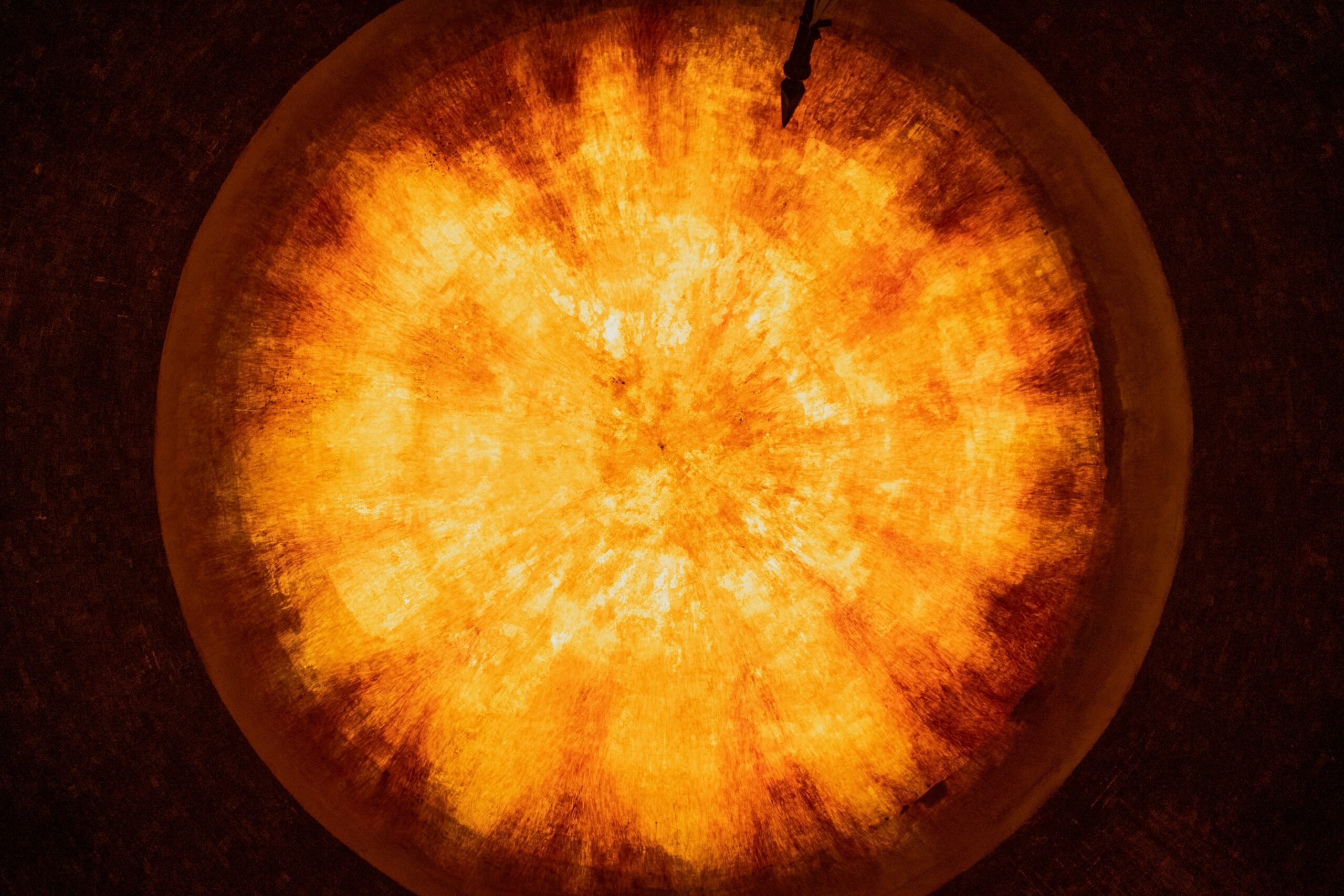
In a landmark achievement, researchers have announced that a fusion energy experiment has produced more energy than it consumed, marking a historic milestone in humanity’s quest for clean and virtually limitless power.
Fusion, the process that powers the sun, involves merging light atomic nuclei to release energy. Unlike nuclear fission, fusion generates minimal long-lived radioactive waste and carries a lower risk of catastrophic accidents. However, achieving the extreme temperatures and pressures necessary for sustained reactions has been a longstanding challenge.
The breakthrough, reported by the International Fusion Consortium, utilized advanced magnetic confinement techniques to maintain plasma stability long enough to achieve net positive energy — a threshold scientists have pursued for decades. “This is the closest we’ve come to practical fusion energy,” explains Dr. Hana Liu, a plasma physicist involved in the experiment. “It demonstrates that the dream of sustainable, virtually unlimited energy is achievable.”
The implications are profound. Fusion energy could drastically reduce dependence on fossil fuels, mitigate climate change, and provide a stable, high-capacity power source for global electricity grids. Economists and policymakers are closely watching the potential impact on energy markets and infrastructure planning.
Challenges remain, particularly in scaling the technology for continuous, commercially viable power production. Engineers are now focusing on materials that can withstand extreme conditions, efficient heat capture systems, and cost-effective reactor designs.
Despite the hurdles, the achievement signals a turning point. Fusion energy, once considered a distant possibility, may soon move from laboratory experiments to real-world applications, promising a future of clean, abundant, and sustainable energy for generations to come.