

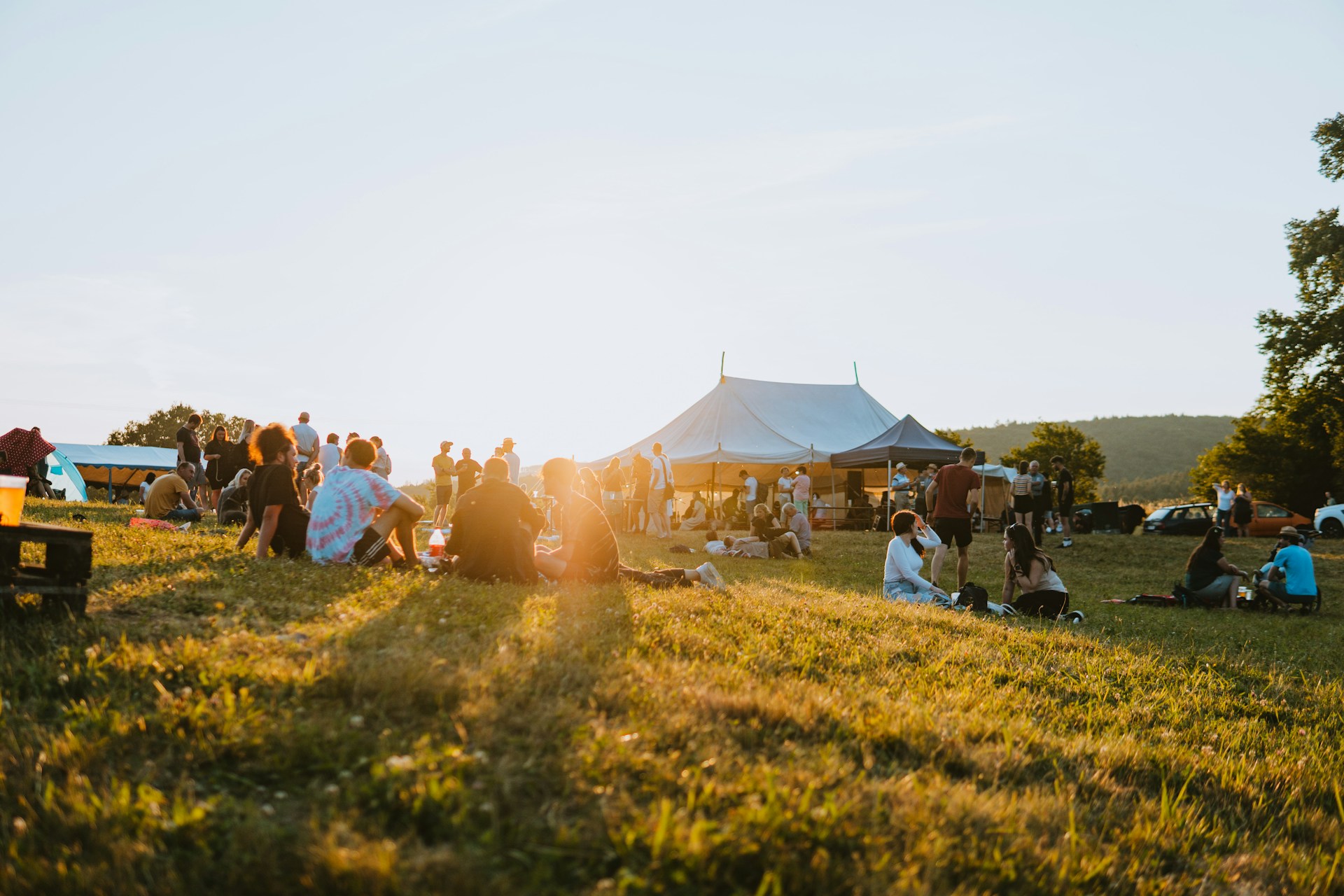
After years of empty venues and canceled tours, live music is staging a spectacular comeback. Concert halls, stadiums, and intimate clubs are filling once again, bringing audiences together in a shared cultural experience that many feared might be permanently diminished.
The resurgence of live performances is more than economic; it’s a cultural renaissance. Musicians are experimenting with immersive shows, collaborative events, and hybrid formats that blend in-person and virtual experiences. “Live music connects people in ways streaming cannot,” explains cultural sociologist Dr. Arjun Patel. “It reinvigorates local communities and revitalizes cultural identity.”
Venues are adapting to new audience expectations, emphasizing safety, accessibility, and environmental sustainability. Festival organizers are integrating eco-friendly practices, while artists increasingly use performances to highlight social issues and global causes, reinforcing the role of music as both entertainment and social commentary.
The industry’s rebound also signals economic recovery. Tour circuits, venue operations, and supporting businesses — from sound engineers to hospitality — benefit from renewed activity. Moreover, younger audiences, accustomed to digital media, are rediscovering the irreplaceable energy of shared live events.
Experts predict that the revival of live music could catalyze broader cultural innovation, inspiring cross-disciplinary collaborations and influencing trends in art, fashion, and media. As stages light up around the world, the comeback of live music is not just entertainment — it’s a vibrant reaffirmation of human creativity and community.
After years of empty venues and canceled tours, live music is staging a spectacular comeback. Concert halls, stadiums, and intimate clubs are filling once again, bringing audiences together in a shared cultural experience that many feared might be permanently diminished.
The resurgence of live performances is more than economic; it’s a cultural renaissance. Musicians are experimenting with immersive shows, collaborative events, and hybrid formats that blend in-person and virtual experiences. “Live music connects people in ways streaming cannot,” explains cultural sociologist Dr. Arjun Patel. “It reinvigorates local communities and revitalizes cultural identity.”
Venues are adapting to new audience expectations, emphasizing safety, accessibility, and environmental sustainability. Festival organizers are integrating eco-friendly practices, while artists increasingly use performances to highlight social issues and global causes, reinforcing the role of music as both entertainment and social commentary.
The industry’s rebound also signals economic recovery. Tour circuits, venue operations, and supporting businesses — from sound engineers to hospitality — benefit from renewed activity. Moreover, younger audiences, accustomed to digital media, are rediscovering the irreplaceable energy of shared live events.
Experts predict that the revival of live music could catalyze broader cultural innovation, inspiring cross-disciplinary collaborations and influencing trends in art, fashion, and media. As stages light up around the world, the comeback of live music is not just entertainment — it’s a vibrant reaffirmation of human creativity and community.