

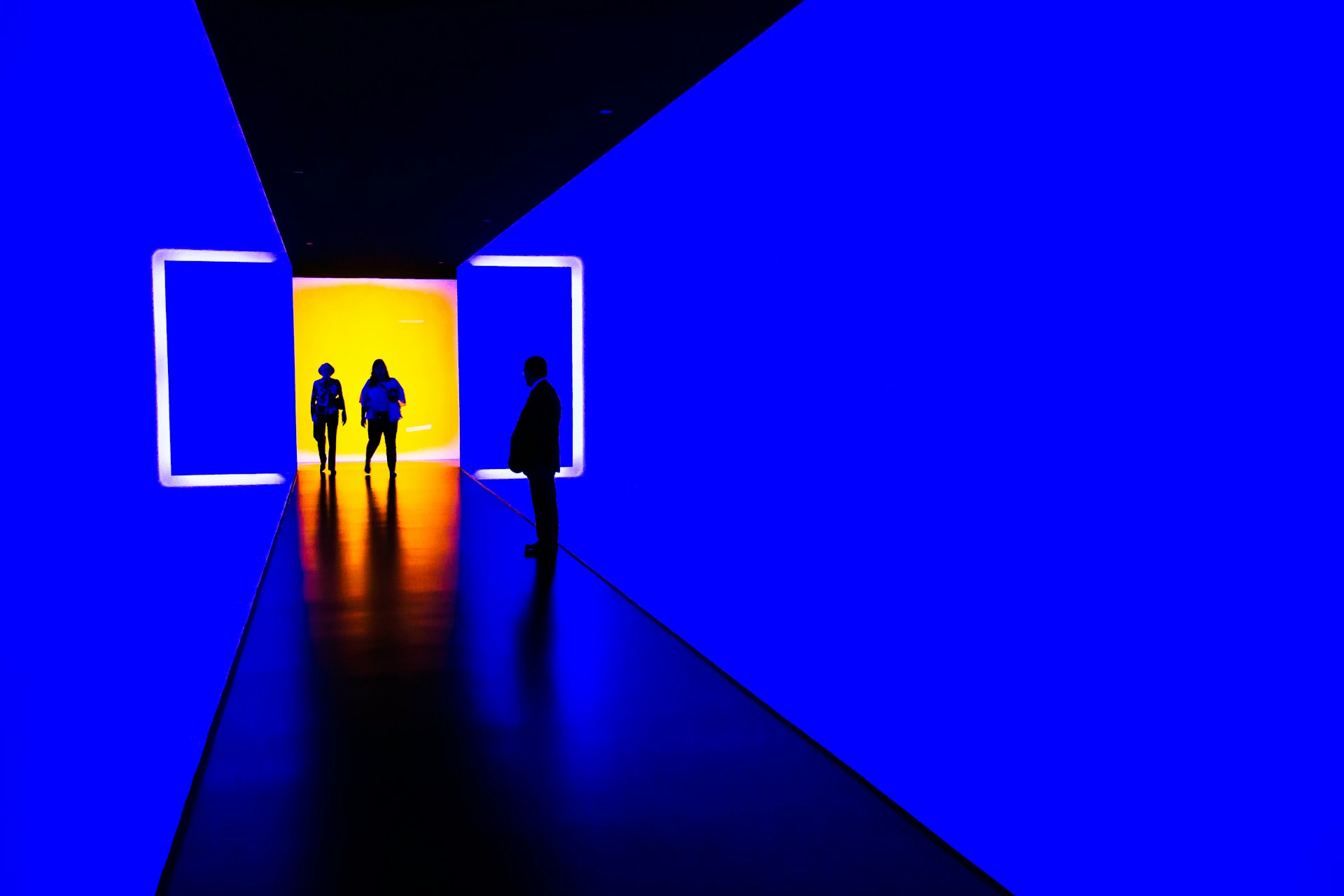
Across cities worldwide, abandoned warehouses are being reinvented as hubs of creativity. Once derelict industrial spaces now host exhibitions, installations, performances, and collaborative projects, injecting new energy into neglected neighborhoods.
The movement blends cultural innovation with urban regeneration. Artists value the vast, adaptable spaces for experimentation, while communities benefit from increased engagement and economic activity. “These warehouses become incubators of imagination,” says urban art curator Marco Alvarez. “They turn forgotten corners of the city into centers of cultural life.”
Adapted warehouses often feature large-scale murals, immersive installations, and experimental theater, attracting diverse audiences. By offering alternative exhibition formats, they challenge traditional gallery conventions and encourage participation rather than passive observation.
Local authorities are recognizing the benefits, supporting initiatives through grants, zoning adjustments, and infrastructure improvements. Neighborhoods see increased foot traffic, tourism, and small-business growth, while retaining authenticity and resisting excessive commercialization.
Critics caution against gentrification risks, but proponents emphasize community involvement as a safeguard. When managed inclusively, warehouse galleries can serve as dynamic platforms for emerging talent, foster dialogue across disciplines, and reinforce the role of art as a transformative social force.
Through these adaptive spaces, the cityscape itself becomes a canvas, reflecting creativity, resilience, and the power of reinvention. Abandoned warehouses are no longer symbols of decay — they are vibrant epicenters of cultural expression.
For decades, street art existed primarily on the city’s walls, bridges, and abandoned spaces — a raw, democratic form of expression accessible to anyone passing by. Now, a growing number of galleries and museums are bringing this urban energy indoors, signaling a transformation in how the art form is perceived and consumed.
Exhibitions from Berlin to New York showcase works by artists who began with spray cans and stencils but have adapted their practice for gallery presentation. Curators argue that bringing street art into curated spaces allows for deeper exploration of technique, social commentary, and historical context. Yet, some critics caution that institutionalization risks stripping the work of its rebellious essence.
“It’s about dialogue, not dilution,” says Marcus Leone, director of the Urban Arts Museum in Milan. “We aim to maintain the integrity of street culture while providing an environment where viewers can engage more intimately with the art.”
The gallery adaptation has also introduced new revenue opportunities for artists, who can now sell limited editions, prints, and installations that were previously impossible on the street. Meanwhile, interactive exhibitions incorporate augmented reality, virtual murals, and participatory installations, blurring the boundary between street and gallery.
Urban communities have mixed reactions. While some appreciate the wider recognition of their local artists, others worry that commercialization may dilute the political and social commentary inherent in street art. Nevertheless, the trend reflects a broader cultural shift: what was once ephemeral and site-specific is now a recognized and collectible part of the contemporary art world.
As galleries continue to embrace urban expression, the question remains whether street art can maintain its original edge while navigating the institutional framework. One thing is clear: the walls of the city are no longer the sole canvas for a generation of visually and socially conscious artists.