

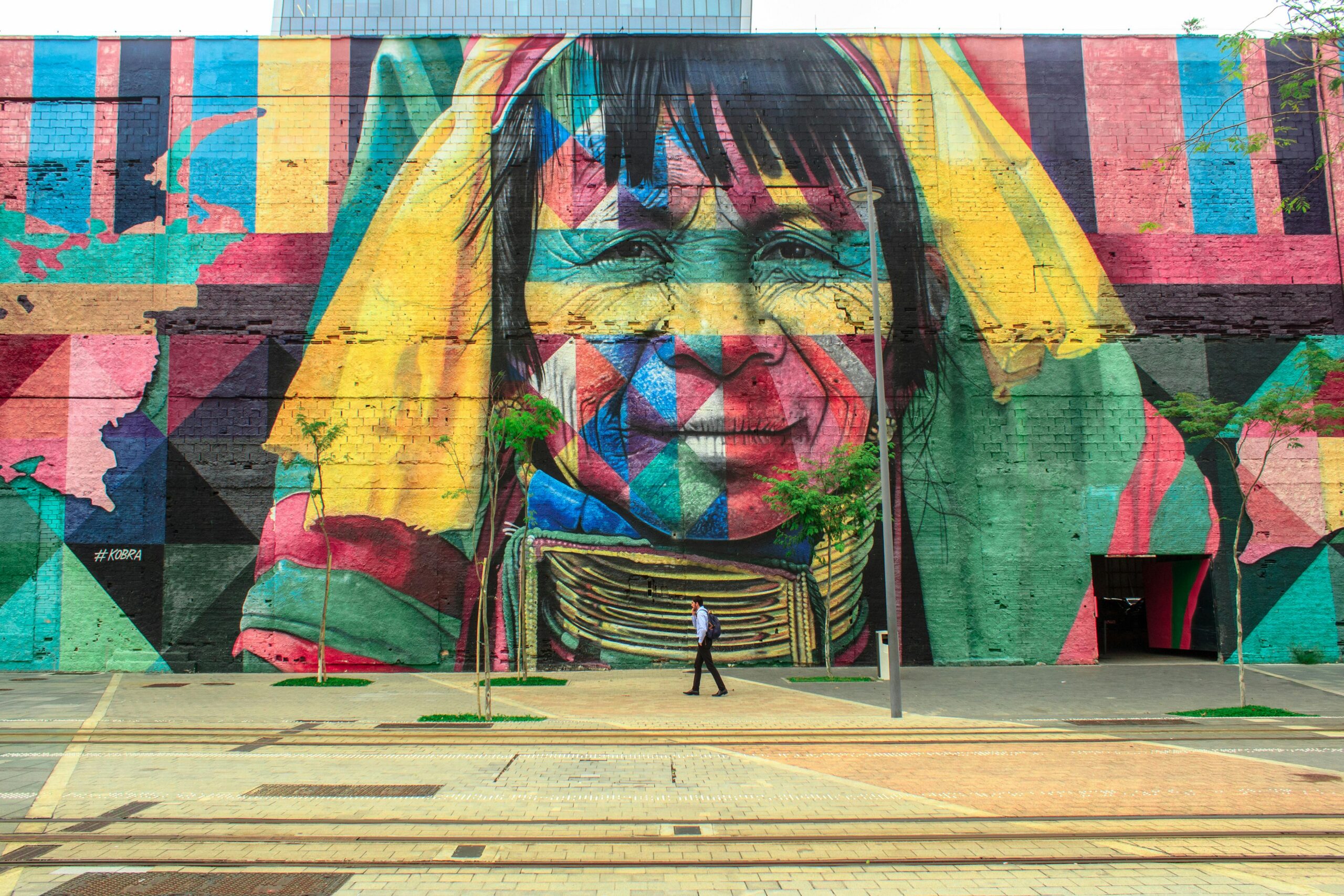
Across cities worldwide, abandoned warehouses are being reinvented as hubs of creativity. Once derelict industrial spaces now host exhibitions, installations, performances, and collaborative projects, injecting new energy into neglected neighborhoods.
The movement blends cultural innovation with urban regeneration. Artists value the vast, adaptable spaces for experimentation, while communities benefit from increased engagement and economic activity. “These warehouses become incubators of imagination,” says urban art curator Marco Alvarez. “They turn forgotten corners of the city into centers of cultural life.”
Adapted warehouses often feature large-scale murals, immersive installations, and experimental theater, attracting diverse audiences. By offering alternative exhibition formats, they challenge traditional gallery conventions and encourage participation rather than passive observation.
Local authorities are recognizing the benefits, supporting initiatives through grants, zoning adjustments, and infrastructure improvements. Neighborhoods see increased foot traffic, tourism, and small-business growth, while retaining authenticity and resisting excessive commercialization.
Critics caution against gentrification risks, but proponents emphasize community involvement as a safeguard. When managed inclusively, warehouse galleries can serve as dynamic platforms for emerging talent, foster dialogue across disciplines, and reinforce the role of art as a transformative social force.
Through these adaptive spaces, the cityscape itself becomes a canvas, reflecting creativity, resilience, and the power of reinvention. Abandoned warehouses are no longer symbols of decay — they are vibrant epicenters of cultural expression.