

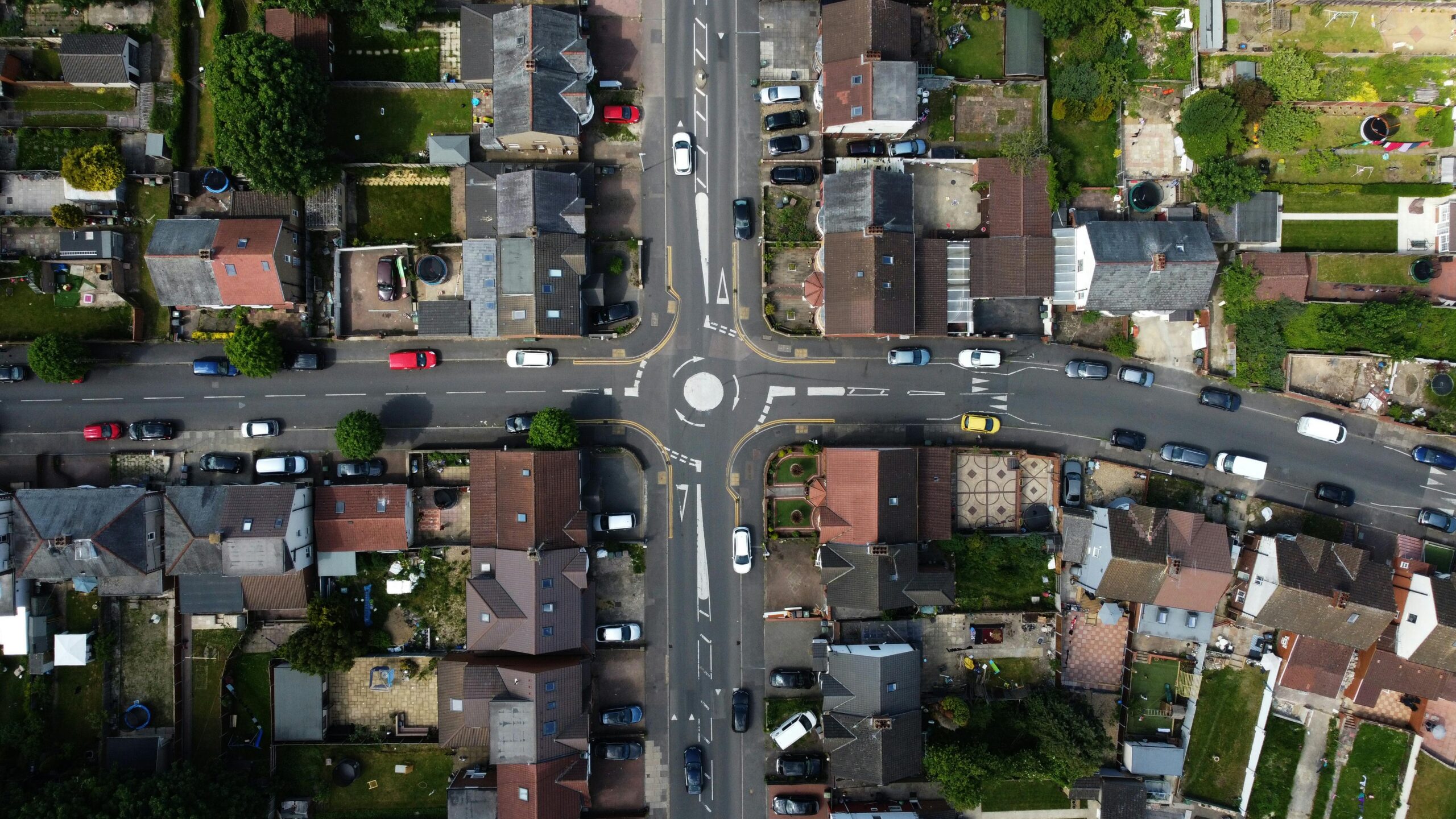
In a bold urban experiment, the city of Kalmara has begun replacing conventional street signs and informational boards with paperless, adaptive digital displays. The initiative aims to modernize urban communication while reducing environmental waste and increasing responsiveness to residents’ needs.
The new displays, powered by solar energy and connected to a citywide network, can update in real time. Residents see live traffic alerts, weather updates, event notifications, and emergency messages, all tailored to specific neighborhoods. “This is not just a technological upgrade,” says Sofia Ramirez, Kalmara’s chief urban planner. “It’s about creating an interactive, responsive urban ecosystem.”
Beyond convenience, the system has environmental advantages. By eliminating paper and reducing physical maintenance, the city projects a significant decrease in waste production and resource consumption. The digital approach also allows for rapid response during crises, such as extreme weather or public safety incidents.
Critics raise concerns about data privacy, reliance on technology, and potential digital fatigue. The city assures citizens that the network uses anonymized data and emphasizes public transparency. Moreover, redundancies are in place to ensure the system continues functioning during power outages or network disruptions.
Early trials suggest high engagement and positive reception from residents, particularly younger demographics who appreciate the dynamic, interactive features. Urban planners worldwide are watching Kalmara closely, considering similar projects that could redefine how cities communicate with citizens.
As cities grow increasingly complex, adaptive paperless signage may provide a blueprint for more intelligent, sustainable, and citizen-centered urban design. Kalmara’s initiative signals a potential shift in how information flows through our urban landscapes, blending technology, sustainability, and public service into a single, responsive system.