

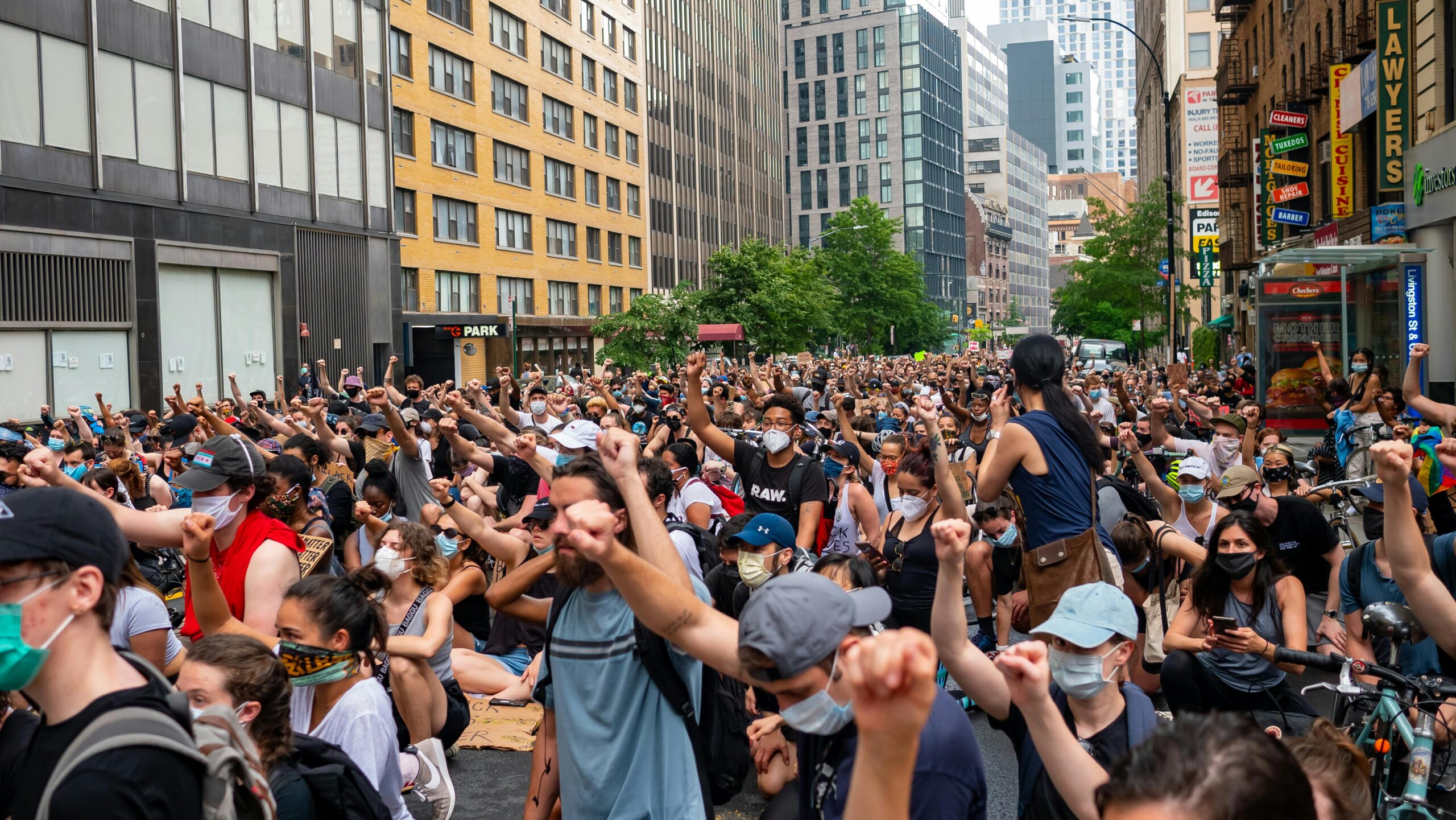
Populist movements have surged in recent years, altering the trajectory of democracy across continents. From urban centers to rural regions, leaders and movements that appeal directly to “the people” are redefining political discourse, challenging established parties, and influencing policy agendas.
Political analysts note that populism can both energize participation and polarize societies. By emphasizing direct engagement and highlighting perceived elite failures, populist campaigns attract attention and loyalty. However, critics warn that such movements can erode institutional checks, exacerbate divisions, and undermine long-term governance stability.
“Populism is a double-edged sword,” says Dr. Livia Chen, a political scientist at the Global Democracy Institute. “It can invigorate democratic participation, but unchecked, it risks weakening institutional safeguards that protect minority rights and maintain balance of power.”
International comparisons reveal diverse impacts. In some countries, populist leaders successfully push reforms addressing public grievances, while in others, populist rhetoric coincides with erosion of judicial independence, media freedom, and civil liberties. Economists and sociologists are closely studying these trends to assess consequences for social cohesion, economic stability, and policy effectiveness.
The rise of populism is prompting democratic institutions to adapt. Efforts include improving transparency, enhancing civic engagement, and responding more effectively to citizens’ concerns. Observers stress that the resilience of democracy may depend on the ability of governments to reconcile popular demands with institutional integrity.
As populism continues to shape political landscapes, its influence will likely define global democracy’s evolution in the coming decades — challenging assumptions, testing institutions, and redefining the relationship between governments and the people they serve.