

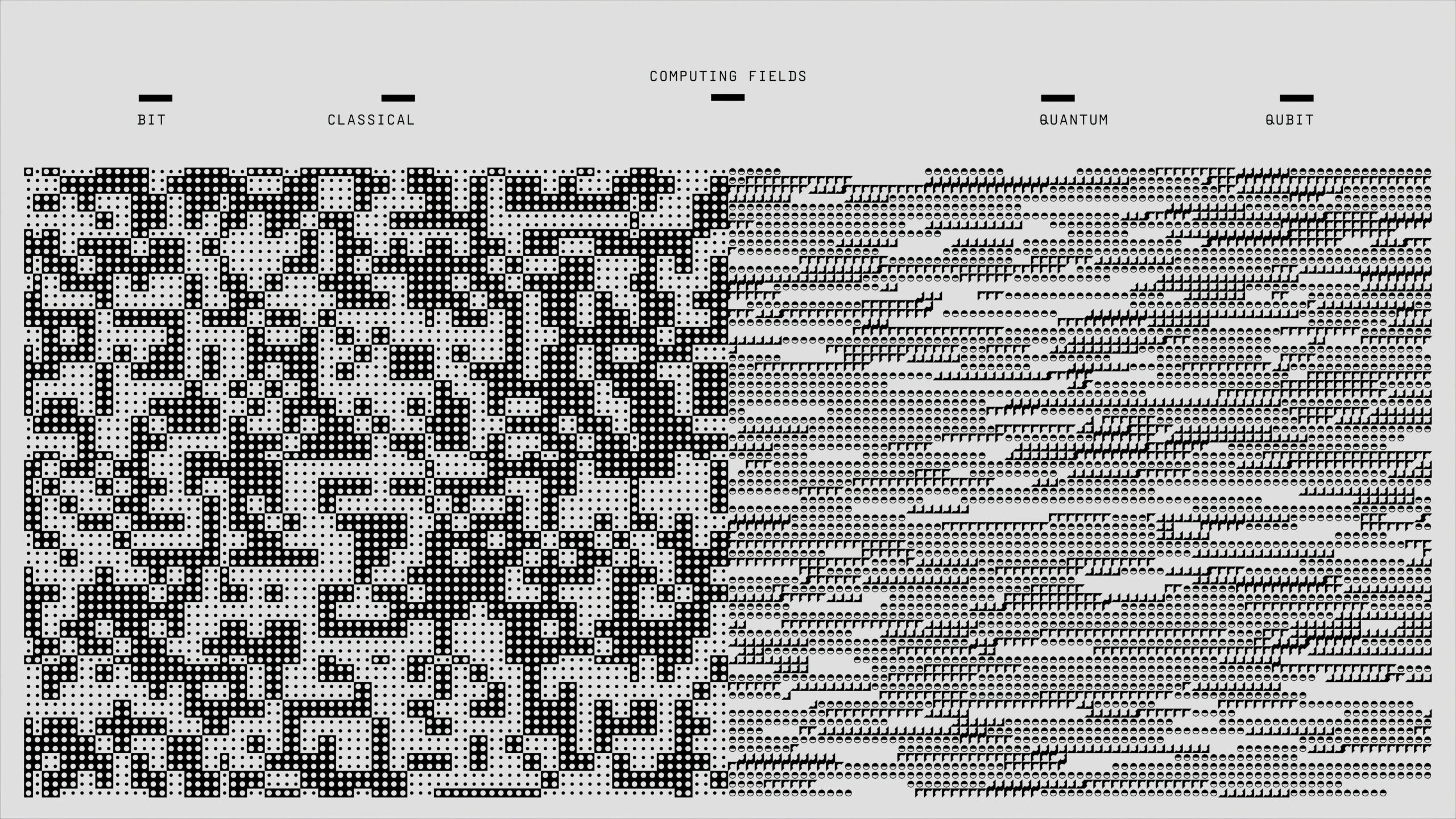
Quantum computing, once confined to theoretical physics labs, is rapidly approaching a milestone long anticipated by scientists: quantum supremacy — the point at which a quantum computer outperforms classical supercomputers in practical tasks. Recent breakthroughs in qubit stability, error correction, and scalable architectures have brought the field closer to this goal than ever before.
Companies and research institutions worldwide are racing to achieve supremacy, driven by the potential to revolutionize cryptography, materials science, drug discovery, and optimization problems. Unlike classical computers, which rely on binary bits, quantum computers exploit the principles of superposition and entanglement to process information in fundamentally new ways.
Dr. Elena Korsakov, a quantum physicist at the European Quantum Initiative, notes, “We are entering an era where quantum machines are no longer just experimental — they are approaching capabilities that could tackle problems impossible for classical systems.”
Despite progress, technical challenges remain significant. Quantum systems are highly sensitive to environmental noise, requiring precise cooling and error mitigation strategies. Scaling the number of qubits while maintaining coherence is an ongoing hurdle. However, incremental successes in simulations, cryptographic tests, and complex calculations suggest the technology is on the cusp of delivering meaningful results.
The race is not only scientific but geopolitical. Nations are investing heavily to secure leadership in quantum technologies, recognizing their potential economic, military, and strategic implications. Ethical and security considerations — particularly in the realm of data encryption — are also fueling global debates.
While full quantum supremacy for widespread applications may still be a few years away, current achievements signal that the era of practical quantum computing is no longer science fiction. Researchers remain cautiously optimistic, acknowledging both the promise and the responsibility that comes with harnessing these powerful, unprecedented computational tools.