

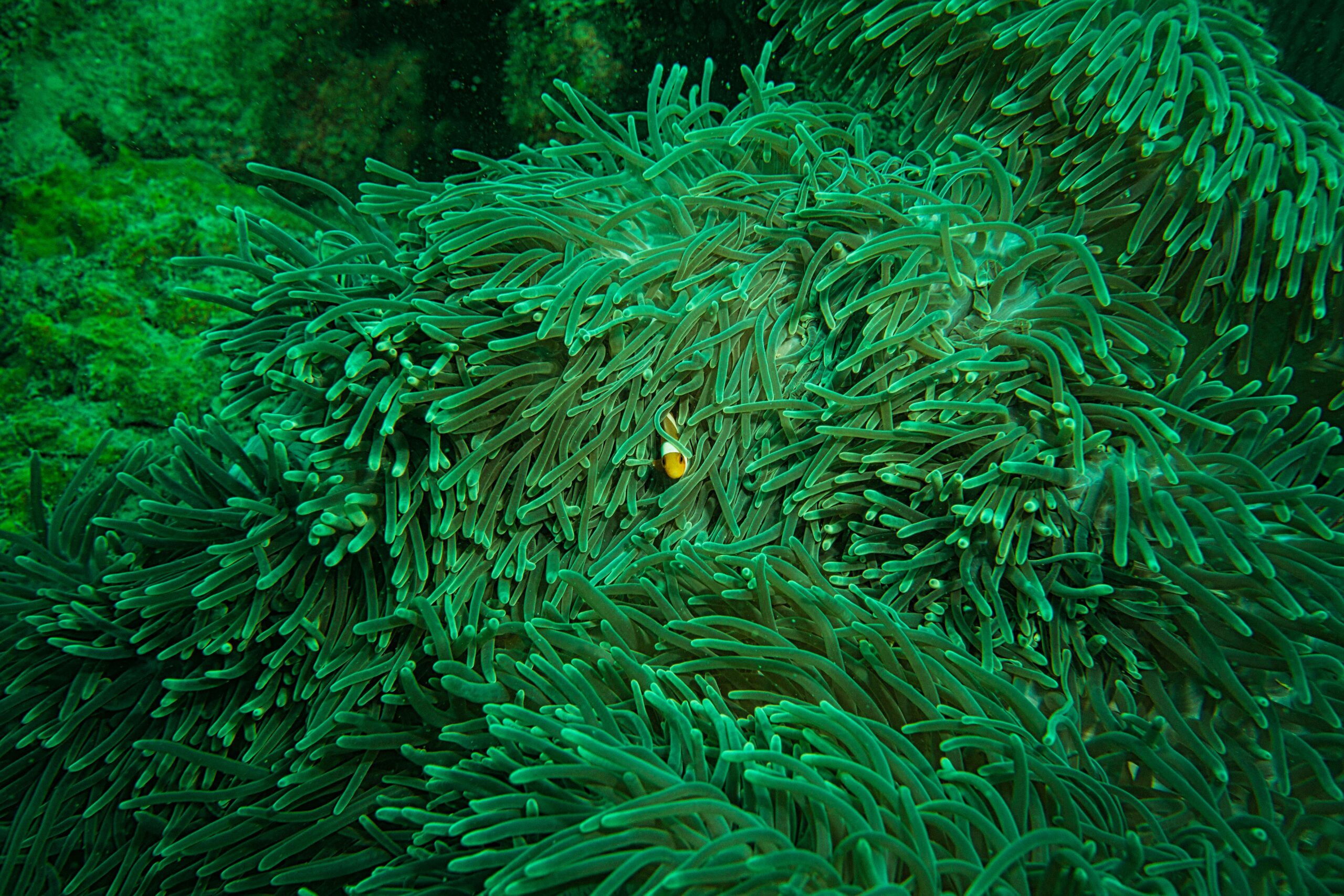
Coral reefs, often referred to as the rainforests of the sea, are exhibiting subtle warning signs that signal distress from warming oceans. Scientists have developed methods to “listen” to these biological whispers, detecting chemical and acoustic cues that indicate stress before visible bleaching occurs.
By monitoring micro-signals such as changes in metabolic byproducts, pigment shifts, and tiny sound emissions, researchers can now detect early-stage reef stress across large marine areas. “It’s like hearing the coral speak before it shouts,” explains marine biologist Dr. Lina Moreno. “These early warnings give us a chance to intervene before entire ecosystems collapse.”
The findings have profound implications for conservation and climate adaptation strategies. Identifying vulnerable reefs early enables targeted protection, selective restoration, and informed management of marine resources. It also provides critical data on the cumulative impact of rising temperatures, acidification, and human activity.
While these signals cannot reverse damage alone, they offer a powerful tool for understanding ecosystem resilience and guiding policymakers in protecting biodiversity. In an era of rapid climate change, listening to coral whispers may be essential to safeguarding the oceans that support millions of livelihoods and the planet’s ecological balance.