

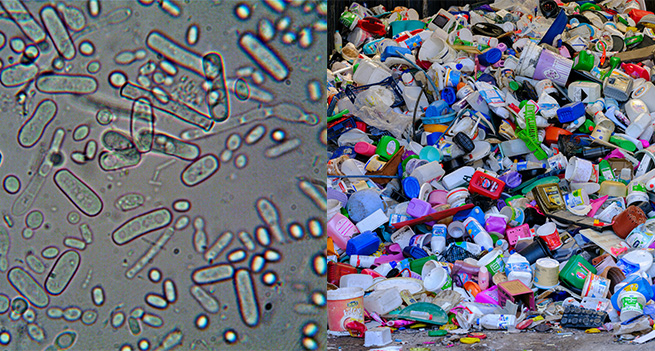
Plastic pollution has long plagued the world’s oceans, accumulating in gyres, coastlines, and marine habitats, posing threats to wildlife and ecosystems. Now, scientists have engineered a strain of bacteria that can digest plastic significantly faster than previously known organisms, raising hopes for large-scale environmental remediation.
The research, led by Dr. Sofia Alvarez at the Marine Biotechnology Institute, focused on enhancing enzymes naturally capable of breaking down polyethylene terephthalate (PET), a common component in bottles and packaging. By optimizing the enzyme structure and combining it with a robust marine bacterial host, the team achieved degradation rates previously thought impossible in natural conditions.
“Our goal was to create a system that could survive in real ocean environments while rapidly breaking down plastic waste,” Alvarez explains. “Initial laboratory tests show a reduction of PET fragments in just weeks, compared to years in natural settings.”
The discovery could transform approaches to ocean cleanup, complementing mechanical collection efforts and addressing microplastics that are difficult to remove manually. However, the team stresses caution: introducing engineered organisms into open ecosystems requires thorough safety assessments to prevent unintended ecological consequences.
Environmental advocates hail the breakthrough as a promising step but emphasize it is not a substitute for reducing plastic production and improving waste management. “This technology offers a potential tool in our fight against pollution,” says Dr. Nathan Kim, a marine ecologist, “but it must be paired with systemic change to have real impact.”
The next phase involves controlled ocean trials and partnerships with environmental organizations, aiming to test the bacteria in real-world conditions. If successful, this innovation could become a critical part of global strategies to restore marine ecosystems and combat one of the most pressing environmental crises of the 21st century.