

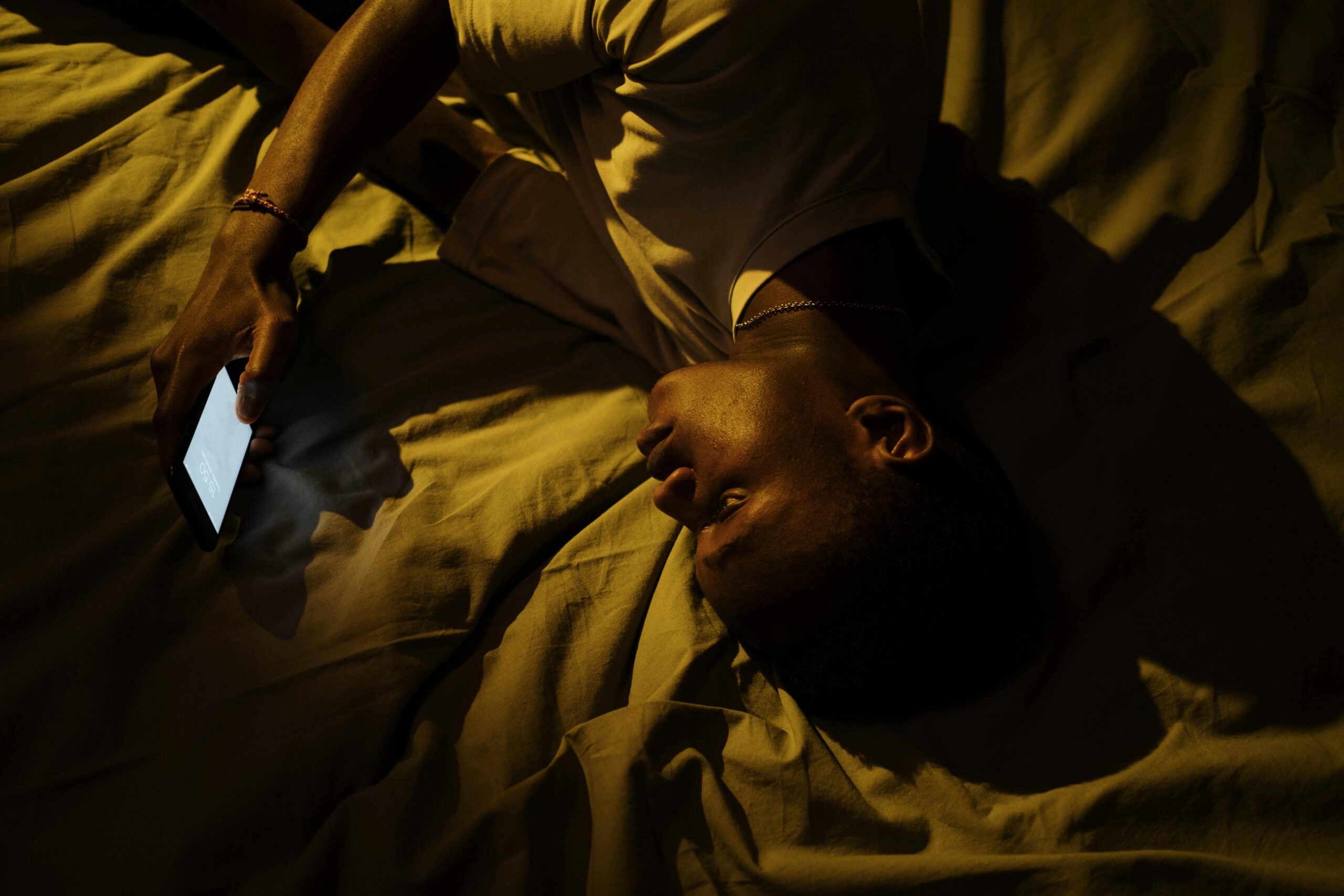
Sleep, long regarded as a private necessity, is now emerging as a critical public health concern. Studies from multiple countries indicate that a growing proportion of adults are consistently failing to achieve the recommended seven to nine hours per night, with potentially severe consequences for both individuals and society at large.
Chronic sleep deprivation is linked to a host of medical conditions, including cardiovascular disease, obesity, diabetes, and impaired immune function. Cognitive and emotional health also suffers: memory consolidation, decision-making, and emotional regulation are all compromised by insufficient rest. “We are witnessing a sleep crisis,” warns Dr. Helena Zhang, a neurologist specializing in sleep medicine at Stanford University. “It’s no longer an individual lifestyle issue; it’s a systemic threat.”
Modern lifestyle factors — late-night screen exposure, work demands, urban noise, and social pressures — exacerbate the problem. Alarmingly, many people underestimate the cumulative impact of sleep loss, believing they can adapt, when in reality, even small deficits accumulate over time, reducing alertness and increasing accident risk.
Governments and health organizations are beginning to respond. Campaigns promoting sleep hygiene, workplace flexibility, and educational initiatives in schools aim to raise awareness of the importance of rest. Innovative solutions, such as circadian-friendly lighting, sleep-tracking technologies, and community “quiet hours,” are being tested in urban environments.
Experts warn that ignoring the problem could have economic repercussions as well. Reduced productivity, healthcare costs, and accident rates may rise, creating a hidden but substantial societal burden. Some researchers argue for policy-level interventions, including limits on night-shift work and regulations on digital device use in public institutions.
“Sleep is not optional; it’s foundational to human health,” Zhang emphasizes. “Addressing this crisis requires coordinated action from individuals, employers, healthcare providers, and policymakers alike.” As scientists continue to document the long-term effects of chronic sleep deprivation, society may soon confront one of its most pervasive but under-recognized public health emergencies.