

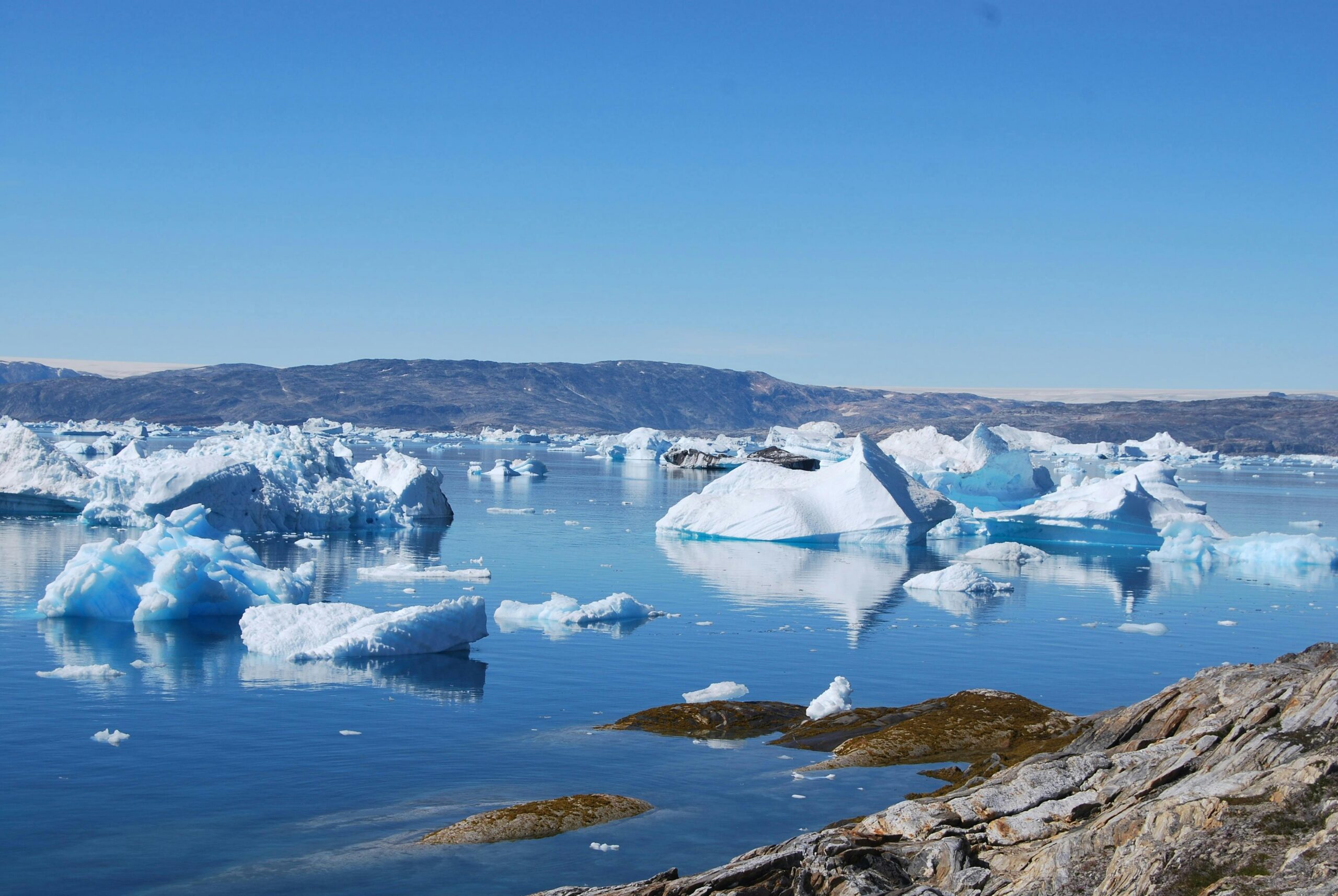
The Arctic, long considered an inaccessible wilderness, is rapidly transforming due to climate change. Retreating ice is exposing vast mineral reserves, oil deposits, and strategic shipping routes, attracting governments and corporations eager to stake claims in this emerging frontier.
Experts warn that Arctic expansion is fraught with environmental, political, and economic challenges. Extractive activities threaten fragile ecosystems, disrupt Indigenous communities, and accelerate global warming. Yet nations are racing to secure territory, leverage shipping advantages, and extract resources vital to global industries.
“The Arctic is becoming the ultimate test of sustainable governance,” says polar researcher Dr. Ingrid Halvorsen. “Economic opportunity must be weighed against environmental stewardship and international cooperation.”
Multilateral agreements, such as the Arctic Council, aim to regulate exploration and protect the region. However, rising competition and national interests complicate enforcement. Mining operations, icebreaker navigation, and research initiatives are all intertwined with strategic geopolitical considerations, from trade dominance to military presence.
Environmentalists advocate for strict oversight and innovative technologies to minimize ecological damage. Meanwhile, scientists stress that the Arctic’s fate is inseparable from global climate strategies, emphasizing that resource exploitation cannot come at the expense of planetary stability.
As the Arctic transforms, it represents both opportunity and caution. Balancing economic ambitions, environmental integrity, and international diplomacy will define the region’s future — and, perhaps, the broader approach to managing the world’s last great frontiers.